Polluting Our Seas
18 February 2008
The
sea round our island have long been a source of food, jobs and
recreation. Most of us enjoy walking on a sandy beach or along
majestic clifftops. Fish and Chips is one of our national glories.
This
resource is being eaten away. 52% of global fish stocks are fully
exploited, which means that they are being fished at their maximum
biological capacity. 24% are over exploited, depleted or
recovering from depletion, according to the Marine Stewardship Council.
Much of our domestic fishing industry is under threat because “stocks
have run out”. Translated this means there aren’t any fish left,
or at least not enough mature ones to breed. Global warming plays
its part – Cod, for example, spawn in very cold seas, but with the
temperature of parts of the oceans increasing, they are not breeding
properly. Many fish take quite a long time to reach maturity,
such as Plaice and Haddock, which cannot spawn if they are caught
before they are adult.
Even worse is the use of the sea as a
wet rubbish dump. Recently an oceanographer discovered a gigantic
swirling vortex of floating plastic garbage in the Pacific: it
seems that currents called the North Pacific Gyre sweep enormous
amounts of material along and it ends up in the Pacific spread from
Hawaii to Japan. It took solo sailor Charles Moore a week to sail
through this continent sized plastic “soup”. The plastic bag that
you throw away here may float into the sea and end up here, if it
doesn’t choke a fish or seabird instead. This giant blot on the
planet was invisible to satellites because much of it floats just
beneath the surface of the sea.
Photo credit Greenpeace
According
to the Marine Conservation Society “Toxic chemicals, sewage, crude oil,
radioactive waste, agricultural fertilisers, animal waste, storm
run-off from our city streets, and millions of tonnes of litter all
threaten our seas and shoreline.”
In
2002/2003 the Maritime And Coastguard Agency did a sampling survey of
items recovered in coastal waters and beaches, which included 13
packages containing dangerous/harmful substances, used syringes and
needles, 678 packages of pharmaceutical products and an astonishing
1,680 munitions or pyrotechnics recovered by Royal Navy Diving
Clearance Teams.
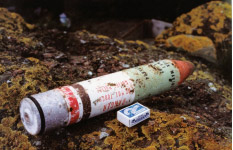
|
| photos: Advisory Committee on Protection of the Sea |
The
stewardship of our coastlines is down to us. Although we are not
responsible for oil tanker spills, we are responsible for litter, which
includes balloons which are fun on land but at sea can kill animals
like marine turtles which mistake them for their jellyfish food and
choke on them.
We can reduce the damage we are doing to
marine life by not leaving litter, using ecofriendly paints on our
boats, and letting our elected representatives know that we want strong
anti-pollution laws. The sea is an important source of food and
with the advent of wave and tidal stream power, part of our response to
climate change. As an island nation we should be more careful
with this major resource.
Links:
Marine Conservation Society
http://www.mcsuk.org/mcsaction/pollution/introduction
WWF:
http://wwf.org.uk
Advisory Committee on Protection of the Sea
http://www.acops.org
|